The daily review

Tonight’s watch. Our verdict.

Film and series reviews, without the fuss.

Series

War

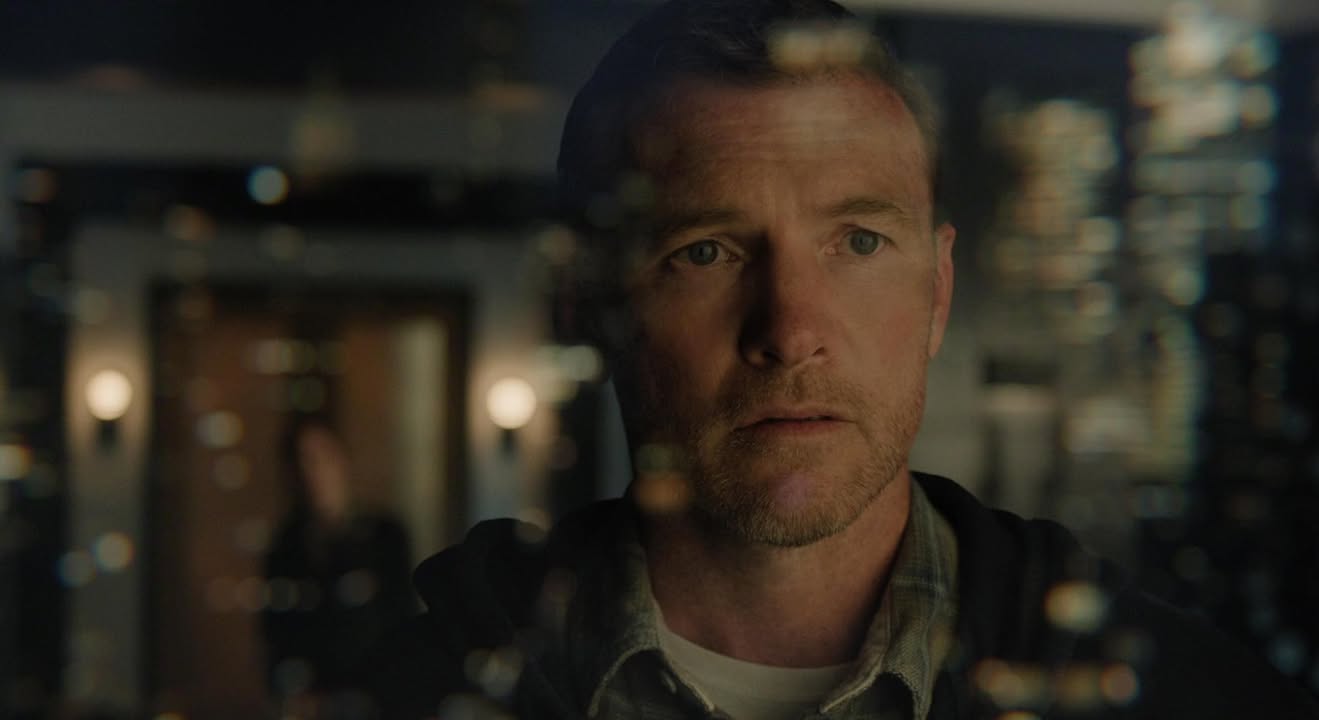
War opens with a divorce designed to be seen.

Watch on YouTube

More to explore

Latest reviews

See all

Cellar Door

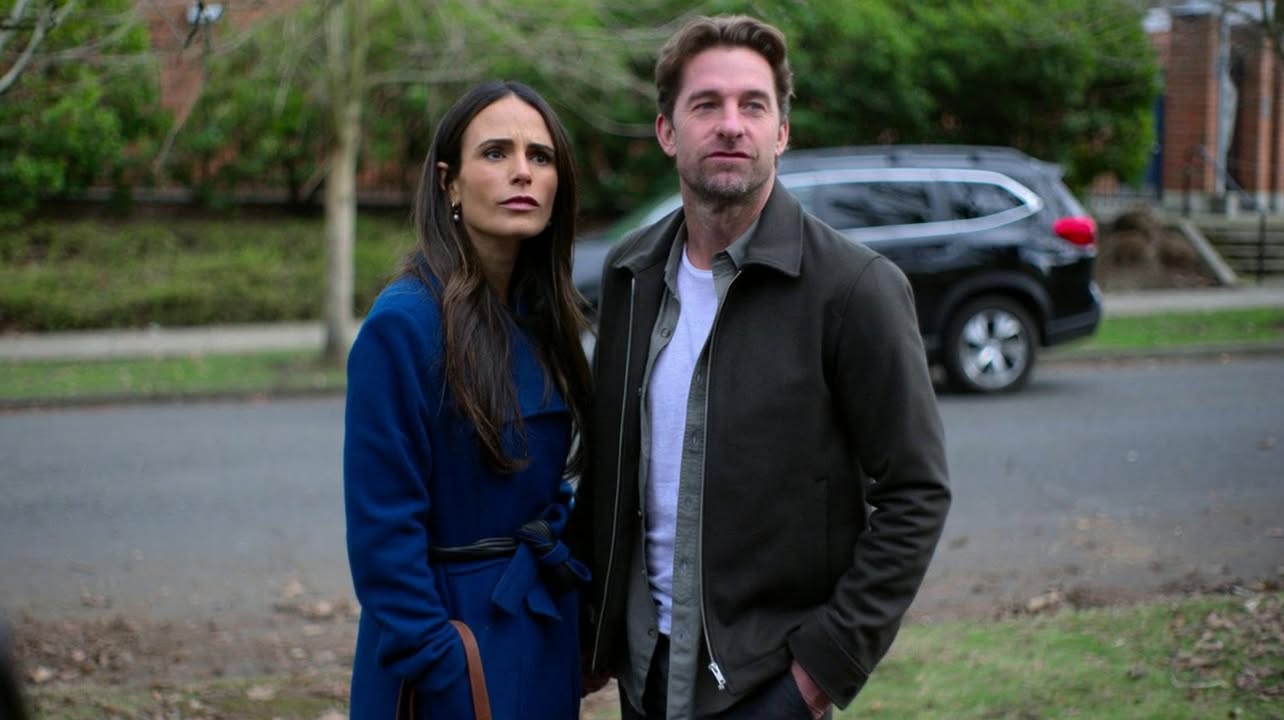
Cellar Door has a tempting hook: a dream house, offered free, with one condition. You must never open the cellar door. Given the housing market, you can understand the hesitation before asking any follow-up questions. Jordana Brewster and Scott Speedman play Sera and John, a couple seeking a fresh start after a miscarriage. Laurence Fishburne is the wealthy stranger offering them an apparently impossible escape. Director Vaughn Stein sets up a thriller about curiosity, temptation and the things couples would rather keep hidden. Fishburne is the strongest asset. His reassuring authority gives the offer an unsettling edge, making generosity feel suspicious without much effort. Brewster brings conviction to Sera’s vulnerability, while Speedman supplies the unease. But their relationship never becomes compelling enough to carry the film when the central mystery slips into the background. Stein gives the house an appropriately ominous presence. The polished interiors and shadowy spaces suggest that comfort comes with a catch, while the score keeps nudging you towards apprehension. The problem is that atmosphere does too much of the work. You’re waiting for tension to develop, rather than simply being reminded that something is wrong. The writing starts with a clean, intriguing bargain, then complicates it with relationship drama and contrivances that weaken its grip. Grief and trust could give this story emotional weight, but too often they feel like machinery for moving the plot. There’s enough here to keep you curious, particularly if you enjoy domestic thrillers. But curiosity isn’t quite suspense, and a locked door can only sustain so much interest. Netflix.
Weapons

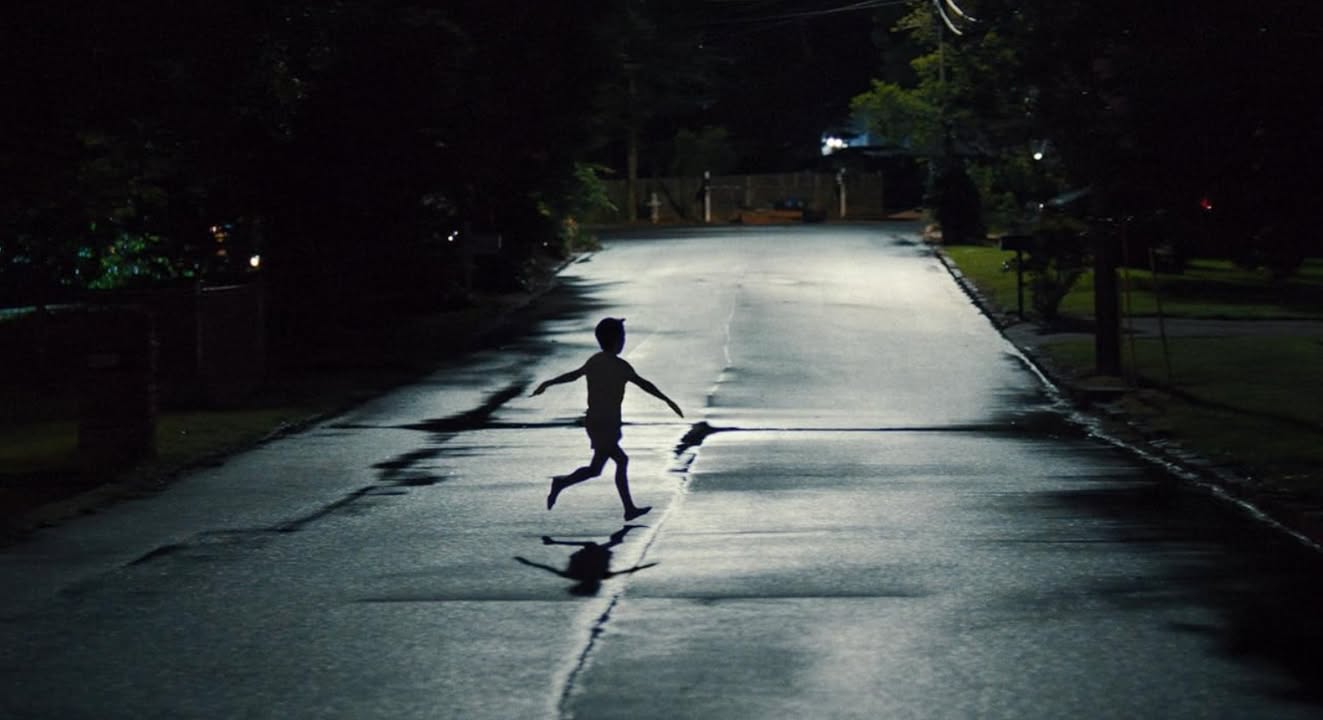
At 2.17 in the morning, seventeen children leave their homes and disappear. They are all in the same class. One child remains, while suspicion falls on their teacher. It is a terrific opening for Weapons, and the less you know about where it goes, the better. Zach Cregger, who directed Barbarian, understands how to make an ordinary place feel unsafe. Julia Garner plays the teacher with a convincing mix of concern and disbelief, while Josh Brolin gives one of the parents a grief that can tip into something frightening. You can understand why both need answers, even when you dread what they might do to get them. Cregger tells the story from different perspectives, letting each new piece change what you thought you knew. The suburban streets look almost too familiar, and the sound gives you plenty of time to anticipate something awful. Then, occasionally, the film catches you looking in entirely the wrong direction. The shifting structure is clever, though it slows the momentum in places, and the final stretch trades some of that carefully built dread for a much louder kind of horror. It works, but I found the mystery more unsettling than its answer. Still, Weapons has memorable performances, real nerve and an opening that will stay with you. If you like horror that gives you something to piece together as well as something to fear, this is an easy recommendation. HBO Max.

Eye in the Sky

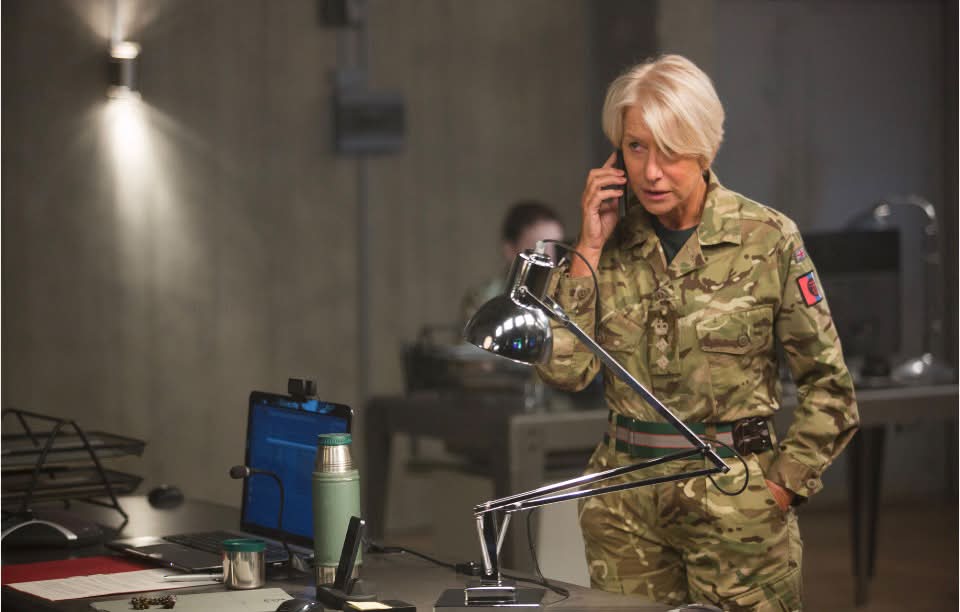
Eye in the Sky turns modern warfare into a pressure cooker where almost everyone is sitting safely behind a screen, yet nobody can escape the consequences. Helen Mirren plays Colonel Katherine Powell, a British officer overseeing a mission to capture extremists in Nairobi. When surveillance reveals an imminent suicide attack, the operation shifts from capture to kill. Then a young girl enters the potential blast zone, and what looked like a tactical decision becomes a moral, legal and political nightmare. Gavin Hood directs with remarkable restraint. Rather than turning the material into a conventional action thriller, he keeps passing responsibility from soldiers to lawyers to politicians, tightening the tension every time someone asks for another opinion. Mirren is superbly controlled, making Powell determined without reducing her to a cold military stereotype. Aaron Paul brings genuine anguish as drone pilot Steve Watts, while Barkhad Abdi gives the film vital ground-level urgency. Alan Rickman, in one of his final screen roles, is wonderfully dry and weary as Lieutenant General Frank Benson. Guy Hibbert’s screenplay is the real weapon. The dialogue sounds procedural, but every calculation carries a human cost. Hood’s direction and Haris Zambarloukos’s clean, clinical photography reinforce that distance, contrasting air-conditioned control rooms with the streets where the consequences will actually land. What makes Eye in the Sky so effective is that it refuses to offer an easy moral escape hatch. You’ll probably understand several sides of the argument at once, which is precisely why the final stretch becomes so uncomfortable. It is tense without being flashy, intelligent without becoming a lecture, and emotionally devastating without forcing the point. Netflix.

The End of Oak Street

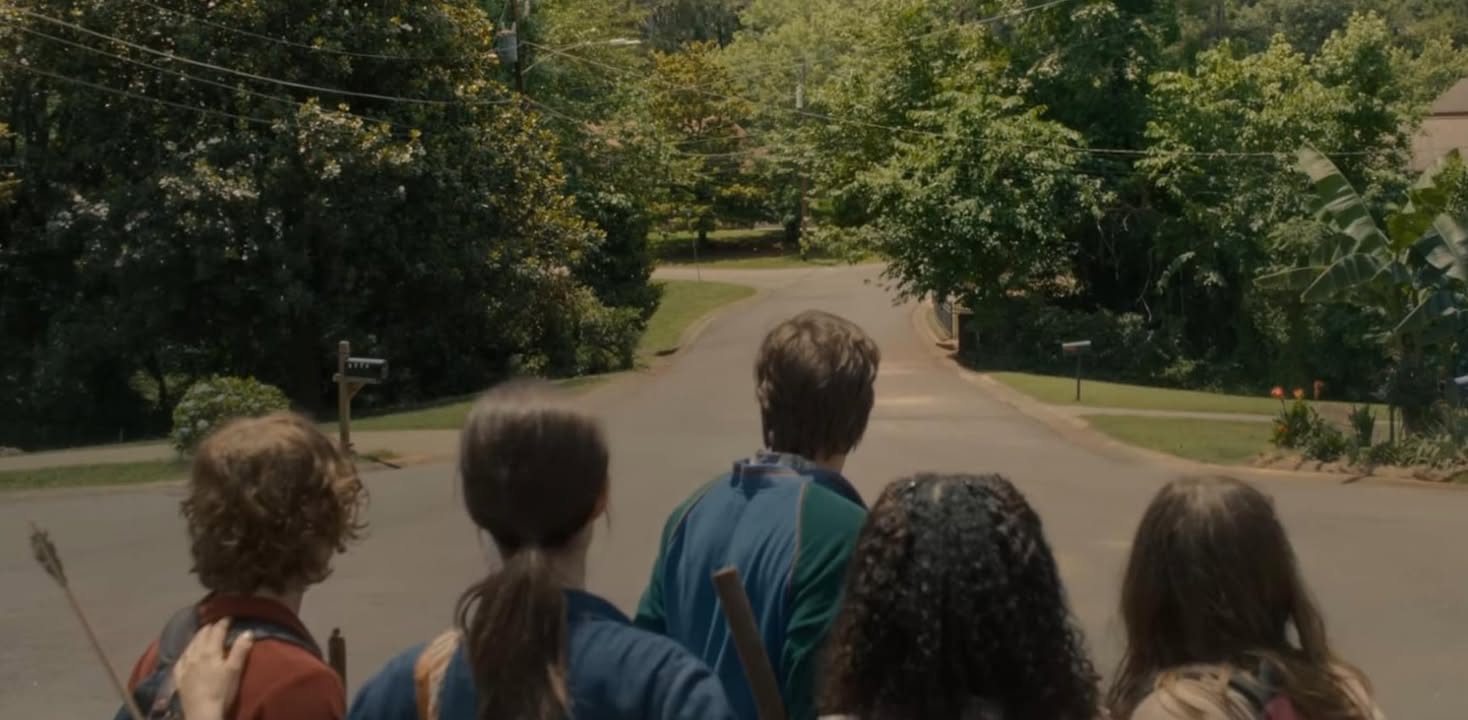
The End of Oak Street takes pristine 1980s suburbia and drops it somewhere considerably less welcoming. After a mysterious cosmic event tears Oak Street from the modern world, the Platt family find themselves stranded in the prehistoric era, with dinosaurs roaming beyond the garden fence. Greg and Denise are already struggling at home, and their children Audrey and Brian can feel the cracks forming. Then survival becomes a rather more immediate family problem. David Robert Mitchell, the filmmaker behind It Follows and Under the Silver Lake, writes and directs, drawing on influences closer to The Twilight Zone, Poltergeist and Signs than a simple Jurassic Park retread. Anne Hathaway gives Denise a restless intensity, while Ewan McGregor makes Greg vulnerable and slightly overwhelmed rather than conventionally heroic. Maisy Stella and Christian Convery complete a family dynamic that feels strained before anything with teeth arrives. Mitchell handles the escalation brilliantly. Michael Gioulakis shoots the neighbourhood with carefully controlled compositions that make everyday suburbia increasingly strange, while Michael Giacchino’s score knows when to push the spectacle and when to let the suspense breathe. The dinosaurs are impressive, but the film understands that seeing them against garages, lawns and ordinary houses is what gives the concept its personality. The writing occasionally sacrifices logic for momentum, and some emotional beats announce themselves early. But you can feel Mitchell trying to merge character, horror, humour and blockbuster spectacle rather than simply feeding people to dinosaurs for ninety-nine minutes. At its best, this is inventive, tense and unusually eccentric summer entertainment, with enough family drama underneath the prehistoric chaos to give the running and screaming some weight. In Cinemas.

The Odyssey

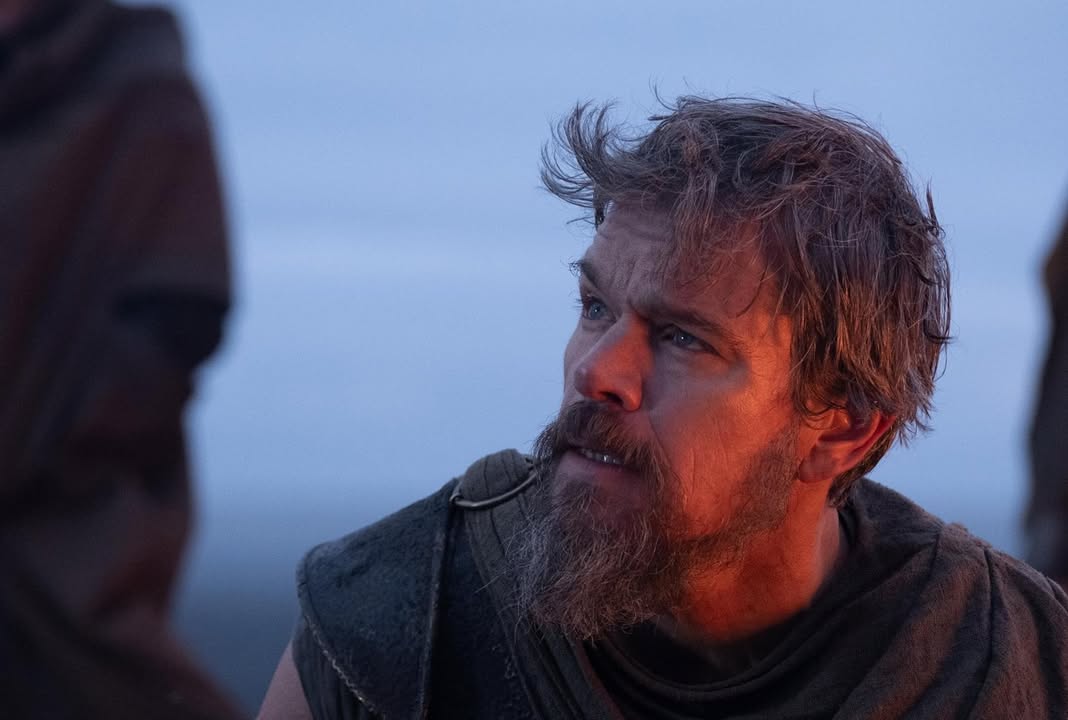
Christopher Nolan takes one of the oldest adventure stories ever told and gives it the weight of a modern blockbuster without losing sight of the man at its centre. The Odyssey begins after the Trojan War, with Odysseus attempting to return home to Ithaca. What follows is a dangerous voyage through monsters, temptation and divine interference, but the real hook is simpler: how much of himself can he preserve before he gets there? Nolan’s obsession with time, endurance and human fixation makes him a natural fit for Homer’s tale. Matt Damon plays Odysseus with a weathered, tightly controlled determination, making every victory feel costly. Tom Holland and Anne Hathaway strengthen the emotional side of the story, particularly through the separate pressures placed on Telemachus and Penelope. Their performances give the film warmth even when its scale threatens to swallow the characters whole. Visually, it is formidable. The landscapes feel vast, hostile and physical, while the action has enough texture to avoid becoming weightless spectacle. The cinematography moves between sun-blasted grandeur and darker, more claustrophobic spaces, and the score keeps the tension simmering without flattening the quieter moments. You can feel Nolan trying to make myth tangible rather than merely impressive. The writing is strongest when it focuses on home, identity and the cost of survival. A few stretches drag under the weight of the film’s ambition, and some supporting figures feel more symbolic than fully realised, but the emotional pull remains clear. It is serious, muscular filmmaking, occasionally a little solemn for its own good, but never lacking conviction. In Cinemas.

Silo

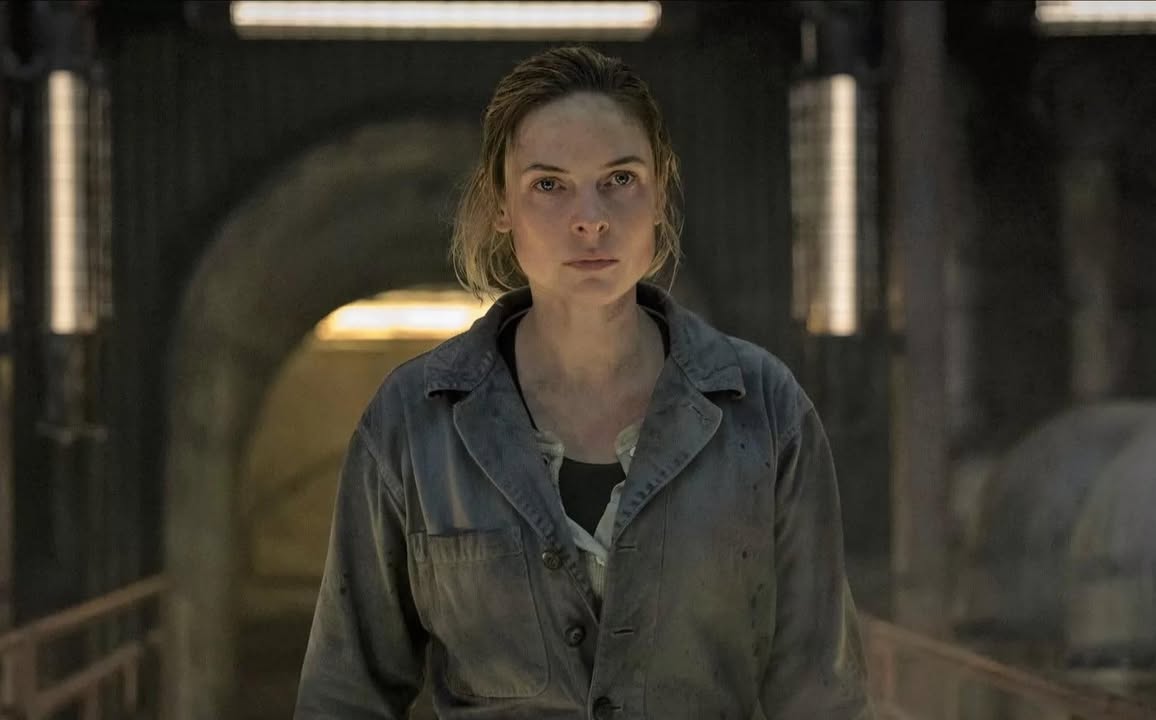
Season three of *Silo* wastes no time changing the rules. Juliette Nichols returns from her impossible journey beyond the silo, but instead of bringing answers home, she begins the season unable to remember what happened outside, or even her own past. It's an intriguing twist that turns the show's greatest truth-seeker into its most unreliable witness, while opening the door to a much bigger mystery. Graham Yost continues to steer the adaptation of Hugh Howey's novels, with Rebecca Ferguson once again leading an outstanding ensemble alongside Common, Jessica Henwick and Ashley Zukerman. Rebecca Ferguson remains the emotional heartbeat of the series. Even with Juliette stripped of her memories, she never loses the quiet determination that makes the character so compelling. Ferguson finds the balance between confusion and resilience, keeping you invested while the mystery slowly unfolds. Jessica Henwick and Ashley Zukerman also make a strong impression as the story expands beyond the familiar confines of the silo, bringing fresh perspectives that make the world feel much larger without losing its focus. Visually, *Silo* continues to be one of the most accomplished science fiction dramas on television. The industrial gloom of the underground world remains beautifully realised, while the expanded settings give the series a broader cinematic scale. The cinematography leans into stark contrasts between light and shadow, and the understated score quietly reinforces the constant feeling that something isn't quite right. The writing asks a lot of its audience. Multiple timelines, new characters and an amnesia storyline could easily have become an overcomplicated mess. Instead, they largely serve the central mystery, rewarding patience rather than testing it. The pacing occasionally slows under the weight of the expanding mythology, but the revelations feel meaningful instead of being held back simply for the sake of another cliffhanger. If you've been invested from the beginning, this feels like the point where *Silo* truly opens up. It broadens the mythology without sacrificing the intimate character drama that made the series work in the first place, and leaves you eager to see how all the pieces finally come together. Apple TV+.

Suck It & See

Watch the review. Read the verdict. Decide what’s worth your time.

See the YouTube channel